With the advent of the internet and social media, humans seem to be closer-knit than ever before. From our phones and computers, our daily online interactions frequently breach physical and geographical boundaries, helping us to build communities and connect with the world around us.
One thing that being online constantly shows us is that people have needs. Whether we’re raising funds to address the humanitarian crisis in Sudan, lending our voices to the people of Congo, or even donating to help someone pay their tuition, there’s always a worthy cause that needs our concern and attention.
However, giving aid does not come without its challenges. Many times, there are questions and confusion around where to give, how to give, and who to give to. There’s also the issue of trust, as more often than not, donors tend to fall victim to scams and grifters.
Platforms like GoFundMe were created to legitimise this process, allowing users to contribute easily to causes and individuals of their choice. But like many inventions birthed in the West, African countries were left out of the playing field.
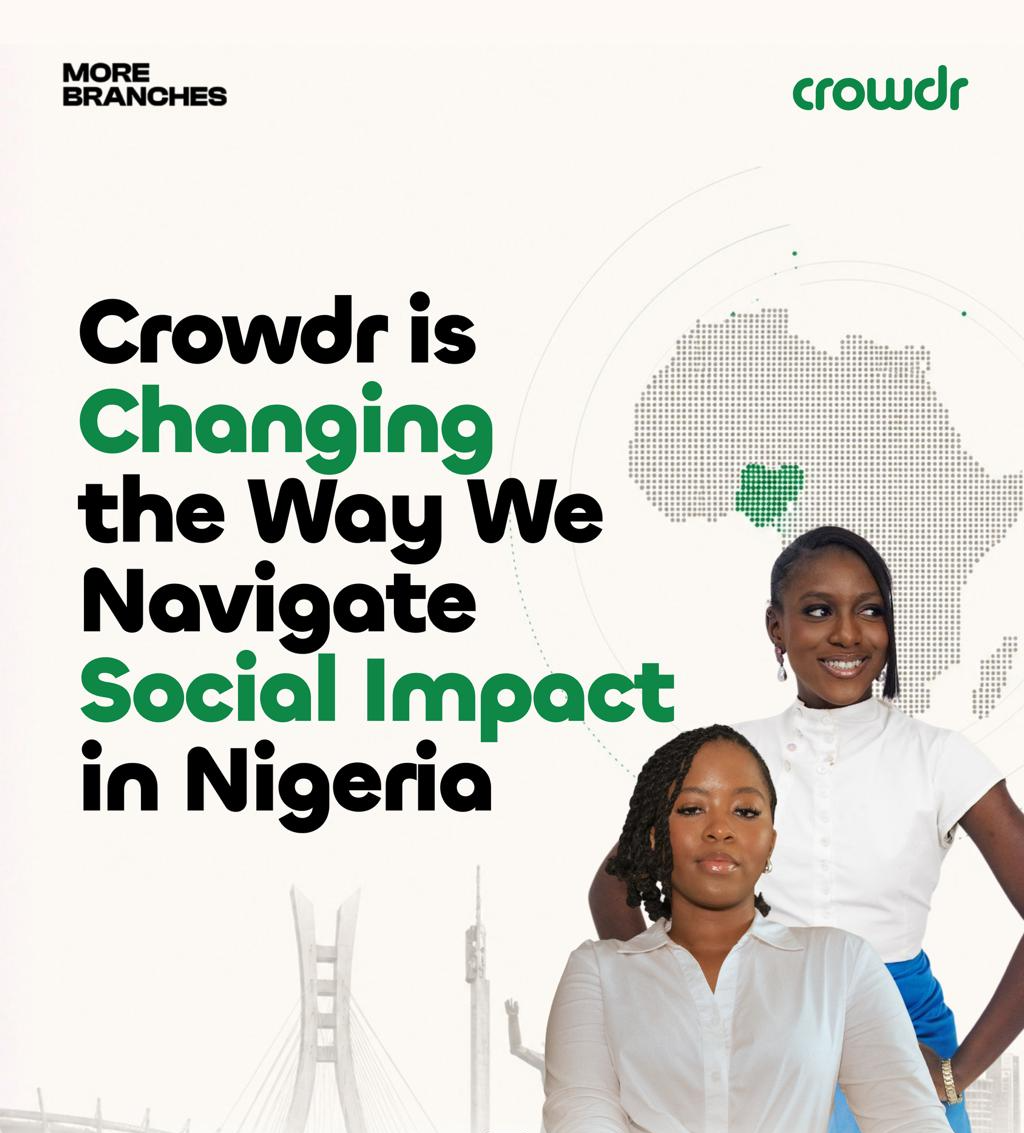
This is where Adaobi Ajegbo and Tritima Achigbu come in. Their brainchild, Crowdr, was born out of the #EndSARS protests in 2020 to rewrite the rules of giving in Nigeria and harness the power of communities to drive social impact. Through resilience and innovation, Crowdr has made fundraising organised, building trust and transparency for both donors and recipients.
Since its inception, Crowdr’s reach has traversed online interactions and provided support to individuals and communities around the country. In 2025, the platform crossed a major milestone: disbursing over 100 million naira in total donations.
Adaobi and Tritima are founders who understand the intricacies of Nigerian generosity and the use of technology to amplify social good. Their work with Crowdr is proof that even in the face of adversity, compassion can prevail.
We had a chat with Adaobi and Tritima to discuss Crowdr’s vision, how their backgrounds influenced its origin and growth, challenges they’ve faced so far, recent collaborations, and peeked into their plans for the future.
Crowdr is a platform that makes fundraising easier for Nigerians in Nigeria. Can you speak to what particular incidents inspired its creation, and how that vision has evolved since you launched?
Adaobi: If you’ve lived in Nigeria long enough, you’ll notice that when people are in need, communities show up. Nigerians are incredibly generous, but what we kept seeing was a lack of structure around that generosity. The EndSARS movement in 2020 really highlighted this. People across Nigeria and the diaspora wanted to support different initiatives, but there wasn’t a simple, trusted platform built specifically for Nigerians to coordinate that support. People relied on Twitter threads, WhatsApp broadcasts, and personal bank accounts, which showed the power of community but also exposed gaps in transparency and organisation.
That’s what led to Crowdr. We started by making fundraising easier for individuals and nonprofits, but over time, we realised support isn’t just about money. Many causes also need people and partnerships. Today, Crowdr is evolving into a broader ecosystem that connects communities, organisations, and companies to drive social impact.
Tritima: Crowdr was inspired by the #EndSARS protests. During that time, we noticed there was a real gap in fundraising infrastructure that made it easier for people to raise and deploy funds in a trustworthy way. It became a major point of contention during the protests, with people questioning where the raised funds were actually going.
Since then, the vision has largely remained the same. We are focused on putting funds in the hands of people who truly need them. One of my favorite things is seeing people receive large anonymous donations or watching strangers express interest in supporting a campaign. Despite the deep culture of mistrust that can exist, people still care deeply about one another. Crowdr is really a manifestation of that.
Crowdr has often been touted as the Nigerian alternative to fundraising sites like GoFundMe. What unique challenges does crowdfunding face in Nigeria compared to other regions, and how have you adapted your model to our local realities?
Adaobi: Crowdfunding in Nigeria comes with unique challenges, especially around trust, payments, and how communities give. Trust is a big factor because people are naturally cautious about sending money online. That’s why we focus heavily on transparency through campaign verification, clear storytelling, and updates from organisers. Payments are another challenge since many global platforms don’t fully support Nigerian payment systems. Crowdr was designed around the local financial reality, allowing people to donate in naira, withdraw locally, and still receive support from the diaspora.
We’ve also learned that giving here is very community-driven. People support causes they feel personally connected to, so our focus has always been on helping campaigns tell authentic stories and mobilise their communities.
Tritima: There are a few challenges. First, parts of the population still are not familiar with crowdfunding as a concept, so early on, we had to do a lot of education to help people understand that we were not a loan shark or some kind of lending service.
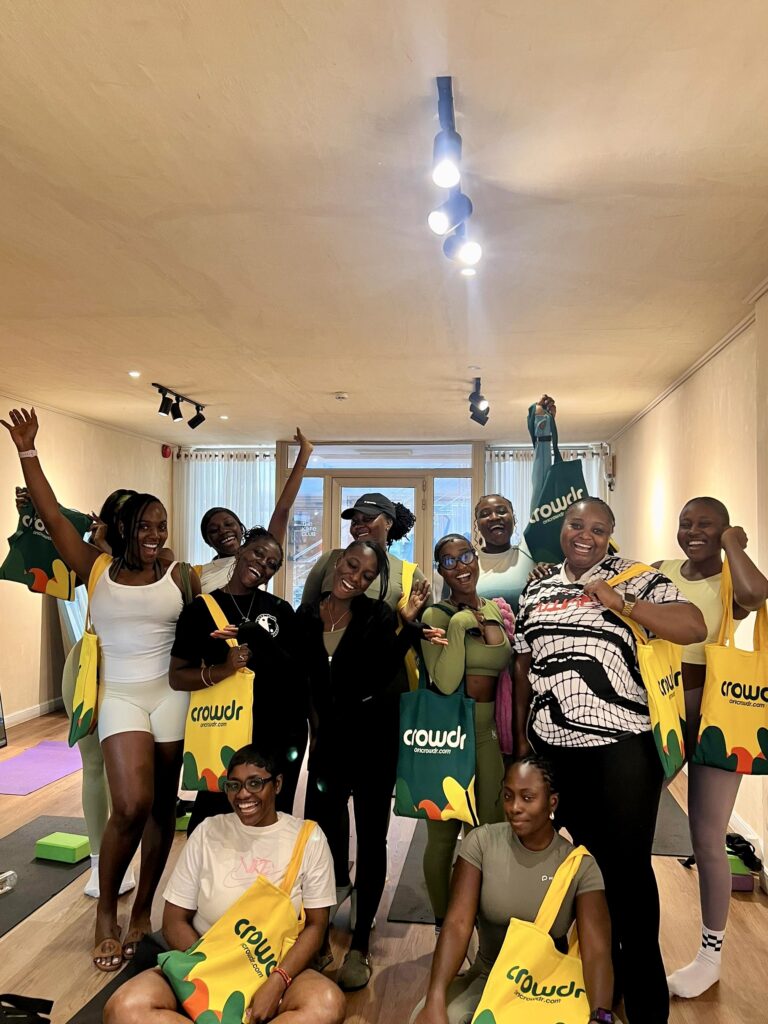
Second, marketing is highly localized. When economic conditions are tough or when people simply are not familiar with the product, you have to be extremely strategic about how you communicate value. We try to meet people where they are through our product design, events, and partnerships, so the platform feels useful and easy to understand.
The third challenge is fraud, banking relationships, and transparency technology. Working with banks and fintech partners requires navigating compliance systems that were not really designed for businesses like ours. We have had to build systems that detect and inhibit money laundering and fraudulent campaigns, which is unfortunate but necessary when you are protecting something meant for social good.
When it comes to online crowdfunding and supporting social causes, trust is a major issue to consider. How do you build and maintain credibility with users?
Adaobi: From the beginning, credibility has been central to how we built Crowdr. We approach this through verification and due diligence to ensure campaigns are tied to real people or organisations. We also encourage transparency by asking campaign creators to clearly explain what funds are for and to share updates with supporters. Beyond the platform itself, we also build relationships with nonprofits and community organisations using Crowdr. Trust isn’t something you build once; it grows over time through transparency and consistent impact.
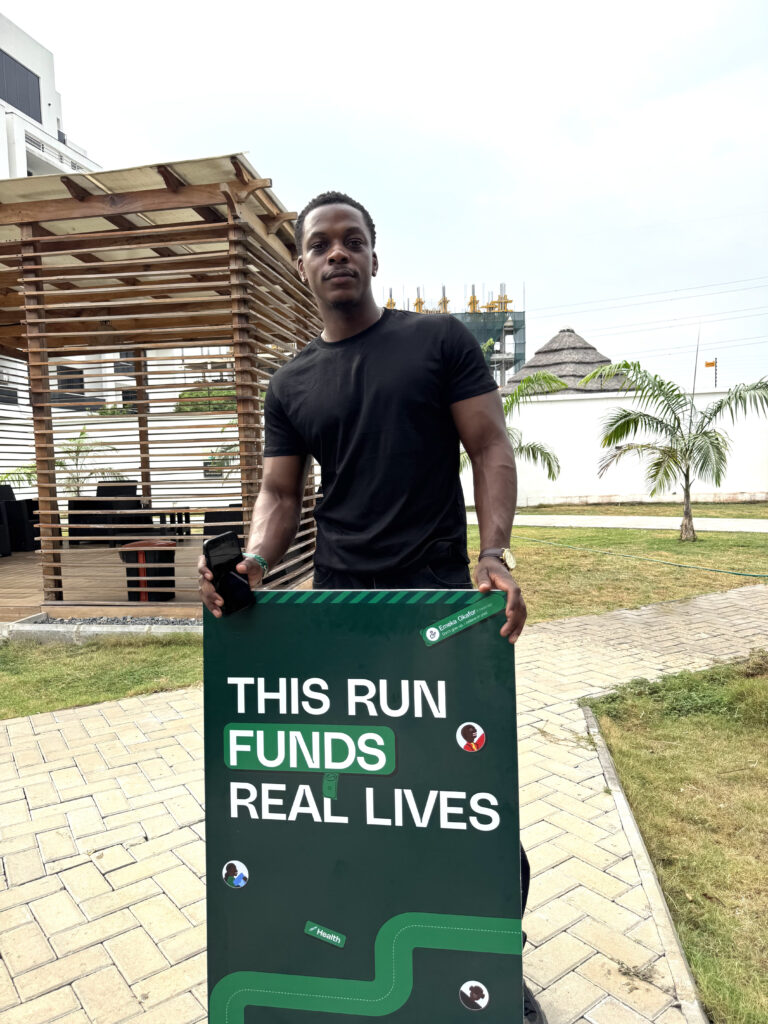
Tritima: This is always top of mind for us. We routinely review and refresh our internal policies and rules of engagement. Our customer and operations teams are trained on due diligence, and we have built fraud detection signals and a refund system to protect donors. We also conduct KYC checks on every user. The margin for error is never zero, but we aim to get as close as possible. And of course, we encourage every donor to do their own due diligence before supporting a campaign.
Adaobi, you mentioned returning to Nigeria to actively build the startup and live in Nigeria. Would you say that decision also influenced your knowledge of the peculiar loopholes in Nigeria’s startup and philanthropy ecosystem?
Moving back to Nigeria definitely changed my perspective. Being here allowed me to really immerse myself in the ecosystem and speak directly with nonprofits and grassroots organisers. Those conversations revealed practical challenges like limited fundraising infrastructure, difficulty accessing global platforms, and trust issues around online giving.
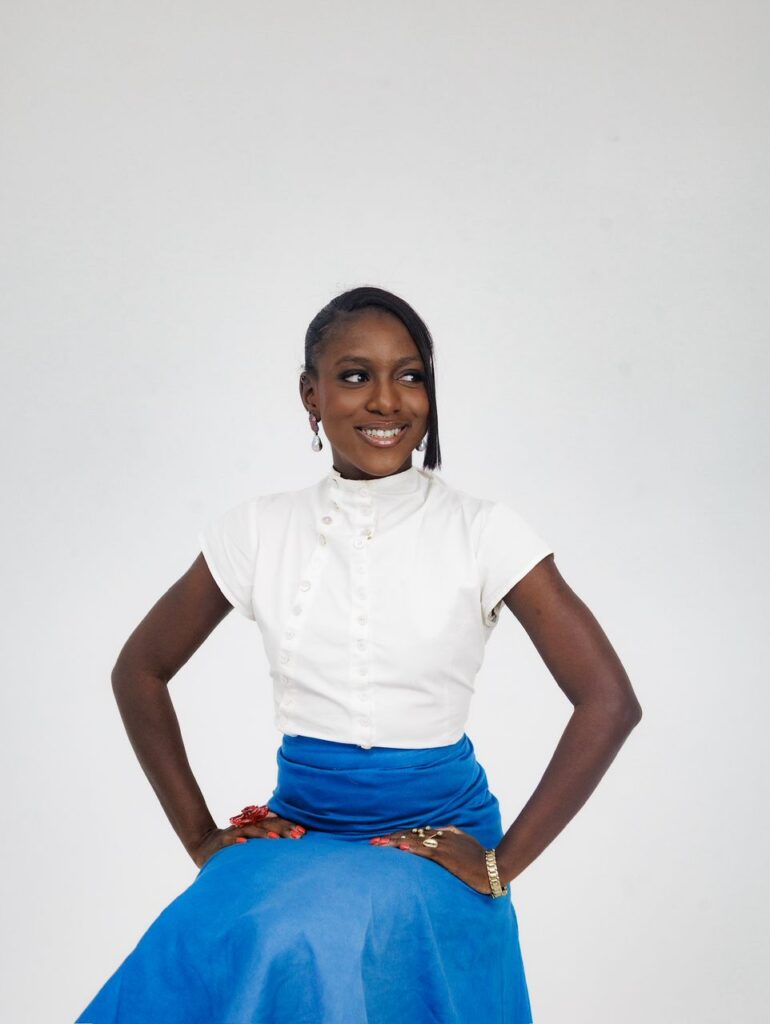
Being physically present helped us design Crowdr around the real needs of people on the ground rather than assumptions about what the ecosystem might need.
Tritima, you have worked in some major international finance corporations as an analyst. In your work as the co-founder of Crowdr, would you say you have deployed some of the knowledge learned there in running the startup?
Absolutely. My most recent role centers around strategy and operations, and everything from risk management to workforce strategy and engagement, process improvement, and vendor relationship management has been incredibly valuable in running Crowdr.

I actually agree with the popular notion that founders benefit from working for others first. You learn systems, discipline, and people skills in ways that are hard to cultivate on your own.
Crowdr has collaborated with influencers, celebrities, NGOs, and businesses for various causes. How do you decide who you work with and what causes you take on? Also, how have these collaborations expanded your reach and impact?
Adaobi: The starting point is always alignment with impact. We try to work with partners who genuinely care about the causes they’re supporting. When we collaborate with influencers, NGOs, or businesses, we look at whether the cause is credible and whether the partner truly wants to mobilise their community.
These collaborations are powerful because influencers bring visibility, NGOs bring credibility and community knowledge, and businesses often bring resources. Crowdr helps connect these pieces so the impact can be much bigger.
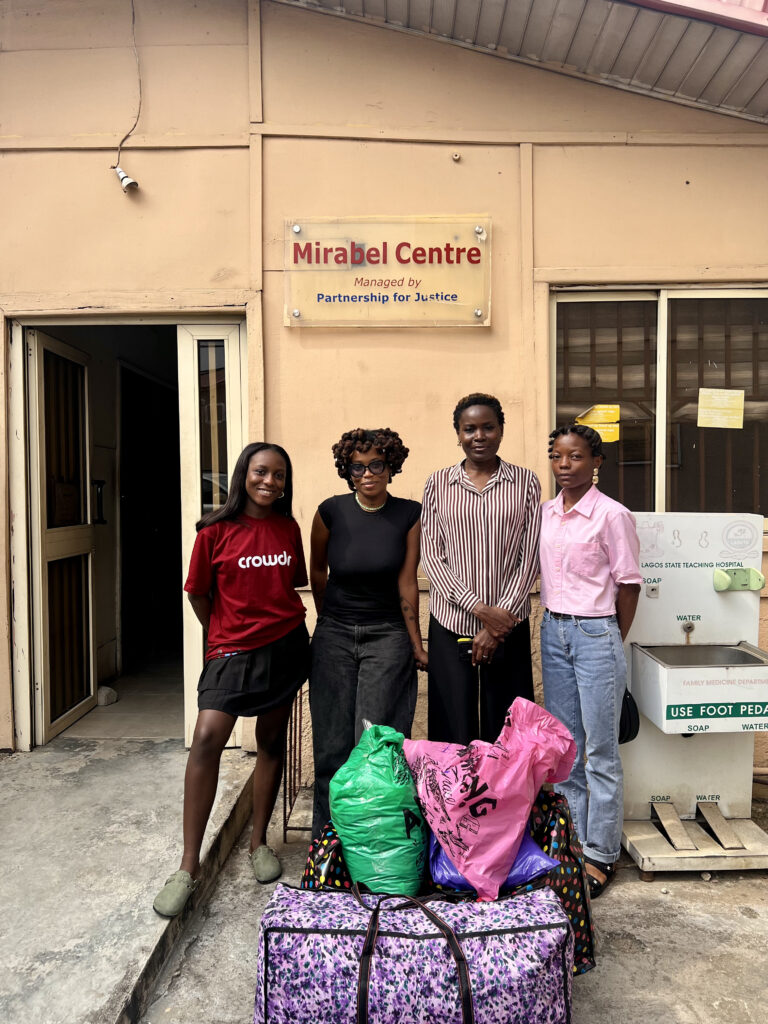
Tritima: Partnerships have been key for us because we want Crowdr to be culturally relevant. Adaobi and I are both very marketing-minded, so naturally, we have our ears to the ground. For instance, we recently partnered with Meji Meji to launch a campaign supporting a non-profit called Renbi Women. Meji Meji funneled a portion of the proceeds from their iconic Finger of God to the campaign, and it was a great way to merge fashion and pop culture with giving back, which is so key for Crowdr.
Crowdr is a social good crowdfunding platform, but it is also a bit of a Gen Z playground. One of the best ways to cultivate that sense of play and reach more of our target audience is through partnerships. They have helped us expand our reach and deploy funds to people doing meaningful work.
In terms of vetting, we mainly look for effort, brand alignment, and longevity. We want to work with people and organizations whose values align with ours and who are interested in building something meaningful over time.
Aside from crowdfunding, your platform also helps to raise awareness about issues like femicide, sexual harassment, violence in the Middle Belt, and queer rights. Beyond visibility, what does real impact look like for you, and how do you measure whether these conversations are leading to change?
Adaobi: Visibility is important, but the real goal is moving from awareness to action. Real impact looks like people mobilising around causes through donations, volunteering, partnerships, or community support. We measure that through funds raised, volunteer engagement, and the partnerships that emerge from these conversations.
Ultimately, the goal is to make sure these conversations lead to real support for organisations doing the work on the ground.
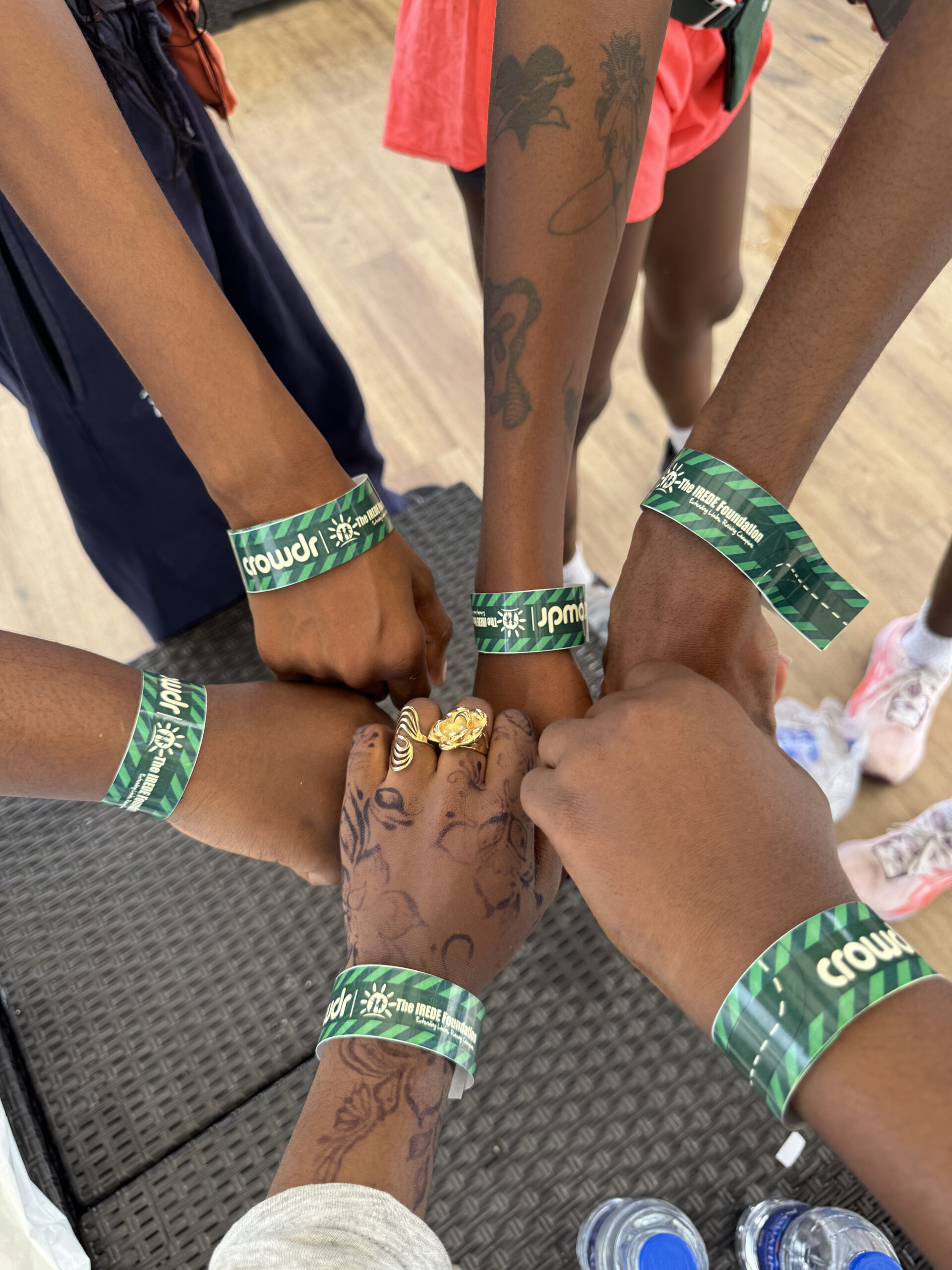
Tritima: At Crowdr, we’re interested in the entire social good ecosystem, not just crowdfunding. This means we have to care about the systemic issues that affect our users and that, unfortunately, look like access to housing, medical care, etc. Awareness is important, but for us the real goal is mobilization — getting people to move from simply seeing an issue to actually supporting solutions.
Impact can look like funds being deployed to grassroots organizations, individuals receiving support during crises, or communities rallying around causes that might otherwise be overlooked. It can also look like people discovering issues they might not have been aware of and deciding to engage with them meaningfully.
Ultimately, if Crowdr can help translate attention into action — even in small ways — that is meaningful change to us.
Since starting Crowdr, what are some key challenges you’ve faced and how did you overcome them as a team?
Adaobi: One of the biggest challenges has been building trust in a space that’s still relatively new in Nigeria. A lot of our early work involved helping people understand crowdfunding and feel confident supporting causes online. We’ve also had to navigate payment and regulatory systems while connecting donors locally and internationally. What has helped us most is staying close to our community, listening to feedback, and continuously improving the platform.
Tritima: Fraud prevention has been a major focus for us, especially in a country like Nigeria, where regulatory guardrails can sometimes be loose. Building systems that protect donors while still keeping the platform accessible has required a lot of experimentation.
Another challenge is maintaining high employee satisfaction while also cultivating a high bar for excellence in a fully remote and flexible environment. That balance can be tricky, but I would not have it any other way, and I’m so proud of the team we’ve built.
Nigerian tech and fintech-related startups have often been criticised as being male-dominated and sexist. Why do you think the work done by Crowdr is important not just to Nigerians as a whole but also to Nigerian women?
Adaobi: Crowdr is really about access and inclusion. Many people doing incredible work in communities don’t always have access to traditional funding networks. Platforms like Crowdr give them a way to tell their stories and mobilise support directly. It also matters that Crowdr is female-founded. Representation influences how we think about the platform and the communities we want to support.
Tritima: I think Adaobi and I are proof that sometimes you really can just…do things. We had a two-hour conversation about a nameless idea, and three years later, here we are, and there is still so much more to come. I hope our story encourages women to tinker with ideas, fail quickly, and keep going.
What can users expect from Crowdr moving forward? Can you touch on any new features in the pipeline, or causes and communities you want to support more intentionally going forward?
Adaobi: Moving forward, we’re focused on strengthening the social impact ecosystem in Nigeria. We’re continuing to improve the crowdfunding experience while also working more closely with corporate organisations on CSR initiatives. Many companies want to support communities but struggle with execution or finding credible partners, and Crowdr helps bridge that gap. Our bigger vision is to build infrastructure for collective action, making it easier for people, organisations, and companies to come together to support meaningful causes.
Tritima: I love this question! We are going big on community: things like interest groups, corporate partnerships, and activations where we get to meet our community, and they get to meet each other. I am really fascinated by how we can strengthen the links between humans, because that is ultimately how crowdfunding succeeds in the first place. We even just launched a campaign commenting feature for this exact reason. Moving forward, I am excited about how we continue building tools that make it easier for people to care for one another.